Em algum momento, a maioria dos lojistas de e-commerce tem uma conversa desconfortável consigo mesmo. Olha as métricas das campanhas de e-mail, taxa de abertura razoável, CTR em um dígito baixo, e se pergunta se está aproveitando bem o canal ou só fazendo o que sempre foi feito.
O e-mail é padrão há tanto tempo que questioná-lo quase parece desleal. É barato. A tecnologia é madura. Todo e-commerce integra com ele nativamente. E ele gera receita, os dados mais recentes da Omnisend colocam o ROI do e-mail para lojas virtuais em torno de R$68 por real investido.
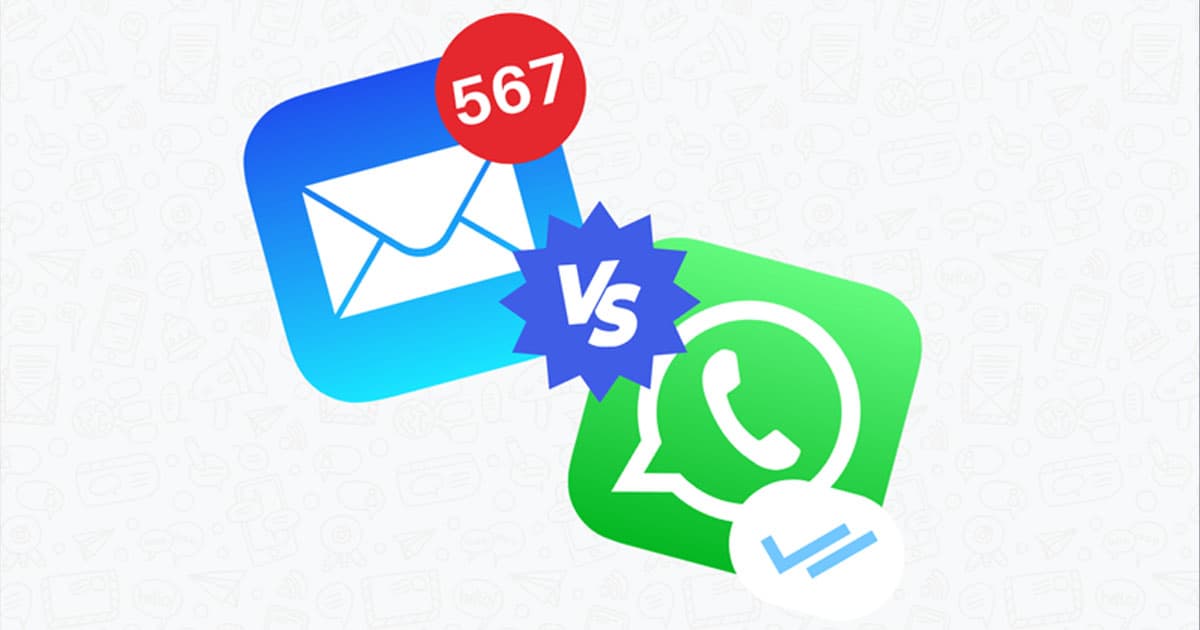
Mas a pergunta que vale fazer não é se o e-mail funciona em termos absolutos. É se ele ainda é o canal certo para as tarefas específicas que continuamos atribuindo a ele, principalmente as que exigem velocidade, conversa bidirecional ou alcançar clientes que começaram a ignorar as caixas de entrada. Porque nessas dimensões, a comparação com o WhatsApp ficou genuinamente desconfortável para quem defende o e-mail.
Os números, sem enfeite
A maioria das comparações começa pela diferença na taxa de abertura, e há boa razão, é impressionante. Mensagens de WhatsApp têm taxa de abertura de 98%. O e-mail para e-commerce fica em torno de 26% a 31% nos benchmarks focados em lojas virtuais da Omnisend. Os números mais altos que você vê às vezes (chegando a 43%) estão parcialmente inflados pelo Mail Privacy Protection da Apple, que pré-carrega e-mails mesmo que ninguém os leia de verdade.
Ou seja, mesmo sendo generoso com o e-mail, você tem uma diferença de 3 para 1 em se a mensagem é vista. Depois disso, a distância aumenta:
- Taxa de cliques em mensagens de WhatsApp: 45% a 60%
- CTR médio de e-mail: 2,09% a 2,62%
- Tempo médio de resposta no WhatsApp: 45 segundos
- Tempo médio de resposta por e-mail: horas a dias
Para cada 1.000 pessoas que recebem uma mensagem de WhatsApp da sua loja, entre 450 e 600 clicam em alguma coisa. Por e-mail, você fala de 20 a 26.
Por que as métricas do e-mail parecem melhores do que são
O problema de taxa de abertura do e-mail é, na verdade, dois problemas separados. O primeiro é a inflação já mencionada, o Mail Privacy Protection da Apple responde por boa parte dos clientes de e-mail, e seu comportamento de pré-carregamento empurrou as taxas de abertura reportadas para cima de forma artificial. A métrica de engajamento mais honesta para o e-mail é o CTR. E ele fica em torno de 2%.
O segundo problema é a entregabilidade. Quase 1 em cada 6 e-mails de marketing nunca chega à caixa de entrada. Cai no spam, na aba de Promoções ou é bloqueado completamente. O WhatsApp não tem esse problema, mensagens enviadas pela API do Business vão direto para a interface de chat, no mesmo fluxo de mensagens de amigos e família. Sem filtro de spam para passar, sem aba de Promoções para contornar.
No que o WhatsApp realmente é melhor
Recuperação de carrinho abandonado é o exemplo mais discutido, e os dados são consistentes entre as fontes. Sequências de e-mail de recuperação trazem de volta entre 3% e 8% dos carrinhos abandonados. Mensagens de WhatsApp de recuperação, enviadas dentro de 10 a 15 minutos do abandono com imagem do produto e link direto para o checkout, alcançam taxas de recuperação de 18% a 30%. Não é uma melhora modesta, é o tipo de diferença que muda como você pensa no canal.
Promoções relâmpago e ofertas por tempo limitado são outra área onde a velocidade do WhatsApp importa estruturalmente. Um e-mail promocional de uma queima de estoque de 4 horas pode ser aberto 6 horas depois que a promoção acabou. Uma mensagem de WhatsApp para a mesma promoção chega em menos de 3 minutos em média e é lida quase imediatamente.
Notificações de pedido e entrega funcionam visivelmente melhor no WhatsApp porque chegam onde as pessoas já esperam atualizações pessoais em tempo real. A pesquisa da Infobip encontrou que 90% das mensagens de WhatsApp são lidas em até 3 minutos após o recebimento.
Dúvidas pré-compra e suporte ao cliente. Quando um comprador tem uma dúvida sobre tamanho, compatibilidade ou prazo de entrega e manda uma mensagem de WhatsApp, em geral recebe uma resposta antes de ter tempo de procurar em outro lugar. Essa é uma conversão que, de outra forma, seria uma saída sem compra.
É exatamente aí que o ChatCart Pro gera impacto: colocando um botão de WhatsApp nas páginas de produto, carrinho e checkout do seu WooCommerce, você dá ao cliente o canal bidirecional e imediato que captura tanto as dúvidas pré-compra quanto as oportunidades de recuperação em uma única integração.
No que o e-mail ainda é melhor
Profundidade de conteúdo. Uma newsletter que leva 400 palavras para apresentar um produto, inclui uma tabela comparativa, links para avaliações e termina com um caso de cliente, isso existe naturalmente no formato de e-mail. O mesmo conteúdo num WhatsApp pareceria completamente fora de lugar.
Custo em escala. A API do WhatsApp Business cobra por conversa. Para transmissões em larga escala para dezenas de milhares de contatos, a conta pode pender para o lado do e-mail. Plataformas de e-mail cobram uma mensalidade fixa independente do volume de envios.
Maturidade de segmentação e analytics. As plataformas de e-mail tiveram anos para desenvolver ferramentas profundas de segmentação, gatilhos comportamentais, segmentação por histórico de compras, otimização de horário de envio, infraestrutura de testes A/B. O arsenal de marketing do WhatsApp está evoluindo, mas o e-mail ainda tem opções mais maduras para segmentação complexa de público.
Comunicação formal. Uma nota fiscal, uma atualização detalhada de política, uma solicitação de avaliação pós-compra com uma explicação longa, esses são conteúdos naturais para e-mail. Mandar isso no WhatsApp soaria estranho. A adequação ao canal funciona nos dois sentidos.
Como os dois canais realmente trabalham juntos
A maioria das lojas que faz isso bem não trata como uma escolha binária. Mapeia cada canal para os momentos onde ele naturalmente se encaixa.
O padrão que aparece com mais frequência: o e-mail cuida do topo do funil e dos pontos de contato mais ricos em conteúdo, sequência de boas-vindas, newsletters, lançamentos de produto com contexto, solicitações de avaliação pós-compra. O WhatsApp cuida dos momentos urgentes e conversacionais, confirmações de pedido, atualizações de entrega, recuperação de carrinho, alertas de promoção relâmpago, dúvidas pré-compra.
Uma versão concreta disso: o cliente se cadastra por e-mail, recebe uma sequência de boas-vindas, clica para a loja, coloca algo no carrinho, opta por notificações de WhatsApp no checkout, recebe imediatamente a confirmação do pedido no WhatsApp, recebe uma atualização de entrega no dia seguinte no WhatsApp, e depois recebe um e-mail pedindo avaliação uma semana após a entrega. Cada canal fazendo o que é estruturalmente mais adequado para ele.
Relacionado: Por que clientes do WooCommerce abandonam o carrinho, e como o WhatsApp os traz de volta, análise completa de por que carrinhos são abandonados e o que realmente os recupera em escala.
Algumas coisas que os artigos de comparação costumam não mencionar
A Meta controla o WhatsApp. Em abril de 2025, a Meta pausou o envio de mensagens de template de marketing para números dos EUA como parte de uma ação anti-spam. Afetou empresas que tinham construído partes significativas do marketing em cima de broadcasts de WhatsApp para o mercado americano. A restrição foi específica para os EUA e para templates da categoria marketing, mensagens transacionais e de serviço não foram afetadas, mas foi um lembrete de que o canal opera na infraestrutura de terceiros, sob regras que podem mudar.
A questão do consentimento é mais rígida no WhatsApp do que no e-mail de formas que algumas empresas aprendem do jeito mais difícil. O WhatsApp Business exige opt-in explícito e documentado antes de qualquer mensagem iniciada pela empresa. Você não pode importar uma lista de telefones e sair mandando mensagem. Se a taxa de bloqueio de um cliente subir alto demais, a Meta pode suspender a conta. O lado positivo dessa rigidez é que o canal permanece de alto valor, o que é exatamente por isso que as taxas de abertura e resposta são o que são.
Então, qual converte mais?
O WhatsApp converte mais por todas as métricas diretas de engajamento, taxas de abertura, CTR, taxa de resposta e tempo de resposta. Para as tarefas específicas de recuperação de carrinho, atualizações transacionais, promoções com hora marcada e suporte ao cliente em tempo real, não há leitura honesta dos dados disponíveis que coloque o e-mail na frente.
Mas "mais conversões" nem sempre é a única coisa que importa. O e-mail entrega mais receita por real gasto em escala. É melhor para profundidade de conteúdo. É o canal certo para comunicação formal e para públicos onde o WhatsApp não é o principal canal de mensagens.
A loja que trata isso como uma escolha de um ou outro e escolhe só um está deixando algo na mesa independentemente de qual escolher. A pergunta mais produtiva: quais mensagens eu mando hoje por e-mail que performariam dramaticamente melhor no WhatsApp, e como começo a migrá-las? Para a maioria das lojas WooCommerce, a resposta honesta é: sequências de recuperação de carrinho, notificações de pedido e entrega, e alertas de promoção relâmpago.
Pronto para adicionar WhatsApp à sua loja WooCommerce? O ChatCart Pro coloca um botão de WhatsApp em cada etapa do checkout e cria pedidos reais automaticamente, a forma mais rápida de começar a capturar conversas de WhatsApp no momento da intenção de compra.
Leia também: Roteamento de múltiplos números de WhatsApp no WooCommerce, quando sua loja cresce além de um número único e como estruturar o roteamento.